
Stewardship at Burnt Hill Farm begins with a simple belief: our role as farmers is to leave the land healthier than we found it.
Every decision we make is shaped by how it affects the long term vitality of the soil, the health of our animals, the nourishment of the food we grow, and the people who work and gather here. Sustainability is a daily practice rooted in responsibility and care.


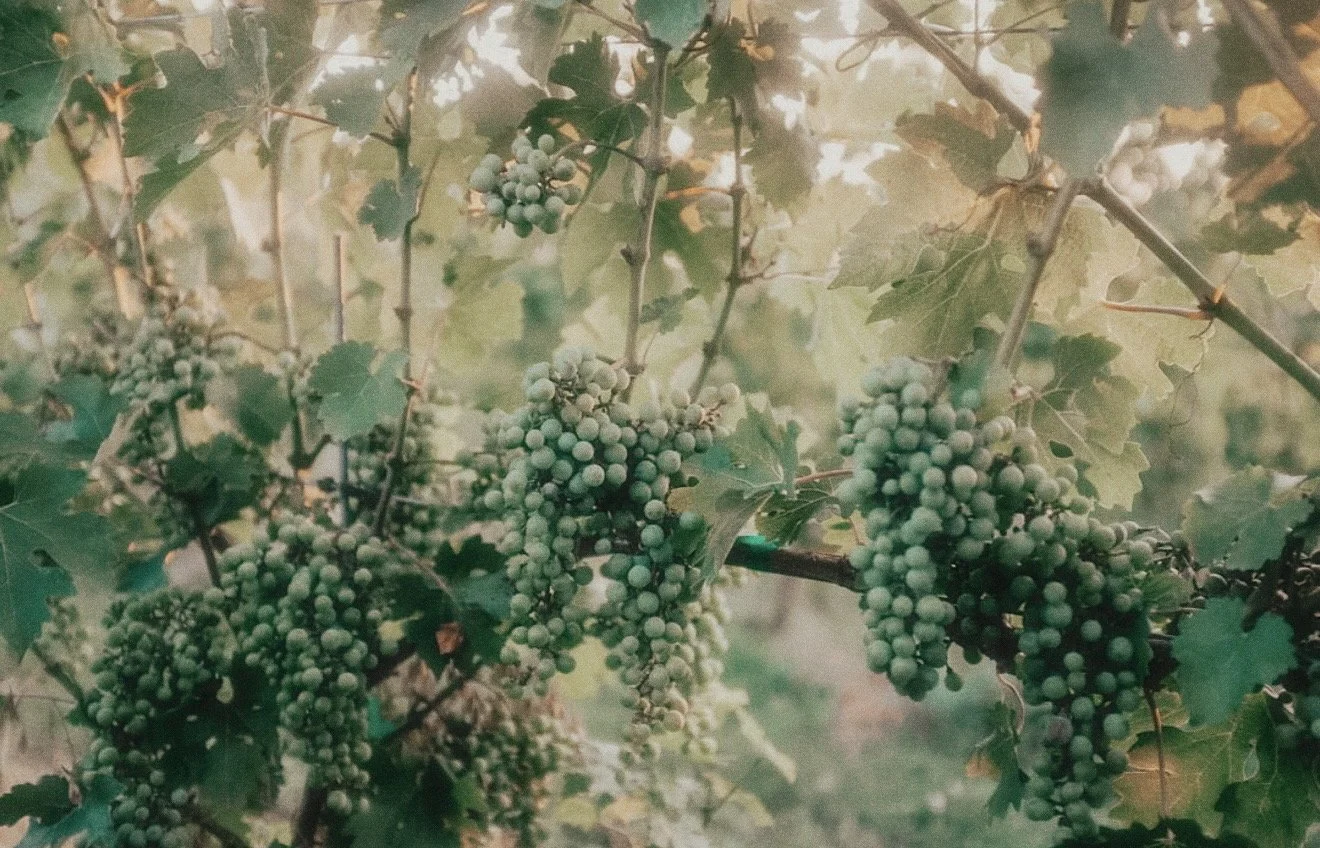





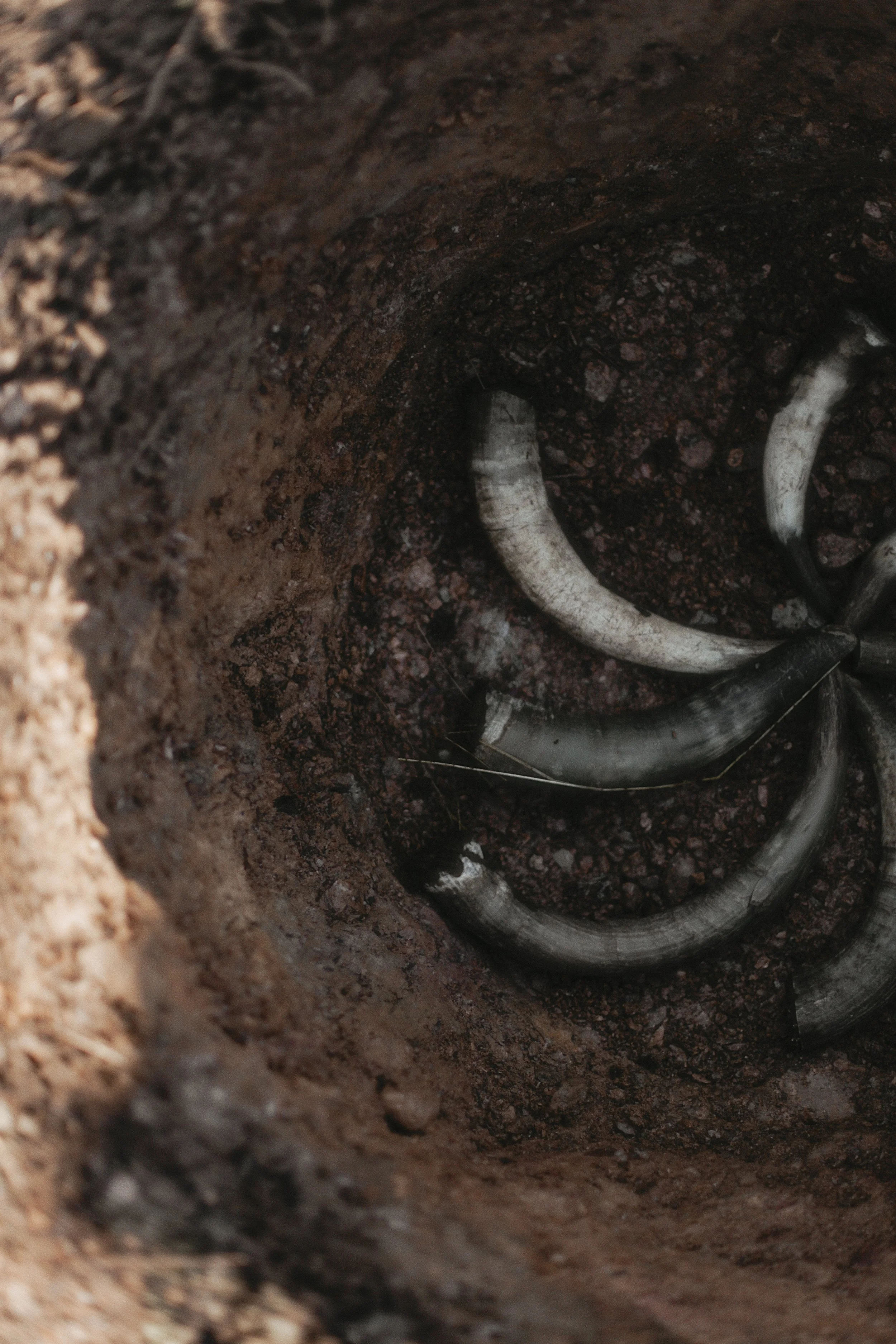


We think of Burnt Hill as a living system. Our approach to farming is regenerative and animal integrated. We design our systems to rebuild soil rather than deplete it, relying on cover cropping, composting, and minimal tillage to increase organic matter and microbial life. Healthy soil holds more water, grows more nutritious food, and stores carbon. It is the foundation of everything.
Biodiversity is central to how the farm functions. Burnt Hill is a polyculture by design. Vineyards sit alongside pastures, orchards, hedgerows, woodland, and kitchen garden. Our sheep, pigs, and poultry move through the landscape in rotational systems that fertilize the land naturally. Pollinator habitats create resilience and balance. The goal is strength through diversity.
Water is treated as a precious resource. We use natural buffers to minimize runoff and protect local waterways, and our stormwater management is designed to mimic natural infiltration rather than commercial systems.
Pest and disease pressure is managed through soil health, biodiversity, and integrated practices. When intervention is needed, we prioritize organic, biodynamic, and low impact biological inputs.
Carbon is something we measure and take seriously. Burning one gallon of diesel generates about 20 pounds of carbon dioxide. In a growing season, we use roughly 150 gallons of diesel to farm Burnt Hill, producing about one and a half tons of CO2.
At the same time, our land is actively pulling carbon out of the atmosphere and storing it in soil and biomass. Forty acres of forest sequester roughly 400 tons of CO2 per year. Seventy acres of grasslands and vineyard sequester approximately 105 tons per year. In total, Burnt Hill sequesters roughly 500 tons of carbon annually. Our farm is actively repairing climate.
Our animals are raised in pasture based systems with rotational grazing. They are essential to the farm ecosystem, building fertility, cycling nutrients, and helping us close loops that industrial agriculture leaves broken.
The tasting room and kitchen operate on the same principles. We aim to minimize waste. Food scraps are fed to our woodland pigs or composted on site. Nothing leaves the farm that cannot be returned to the soil.
We believe food should be delicious and nourishing. That starts with soil health and ends at the table. Our estate wines, vegetables, fruit, and animal products are grown with intention and served with care. The shorter the supply chain, the more honest the food system becomes. Most of what we serve is grown here or sourced within Chesapeake Bay foodshed.
Stewardship is also economic. A sustainable farm must be financially viable. Burnt Hill is designed to support itself through diverse revenue streams, direct relationships with guests, and value-added products. We are building a model that can stand on its own.
People matter most. We pay our teammates a living wage, invest in long term roles, and prioritize quality of life for the people who make this place possible. We hire locally, train intentionally, and operate with transparency. A farm cannot be sustainable if it burns out the people who run it.
Stewardship also extends beyond our property lines. For every bottle of wine sold, we donate $1 to community based nonprofits. The health of this place is inseparable from the health of the community around it.
Resilience is the true measure of sustainability. Can a farm adapt to climate extremes. Can it withstand shifting markets. Can it regenerate its own fertility. Can it support the next generation.
Our definition is simple. A sustainable farm is one that improves its land, treats people and animals well, and can stand the test of time.
That is what we are building at Burnt Hill. Not a perfect system, but a living one, rooted in care, shaped by humility, and guided by the belief that agriculture can be a force for healing.